

August 20, 2025
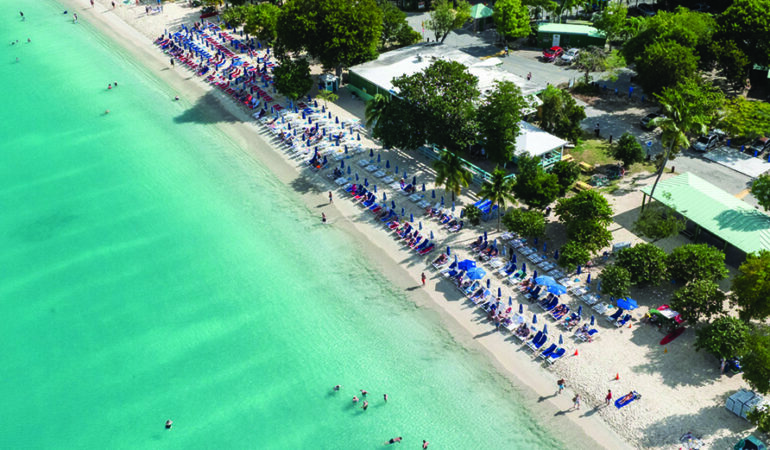
Magen’s Bay, nestled on the northern coast of St. Thomas in the U.S. Virgin Islands, is famous today for its turquoise waters, soft white sand, and lush tropical surroundings. But this iconic beach wasn’t always the well-known paradise it is now. From its early days as a secluded natural haven to its transformation into one of the Caribbean’s most beloved destinations, Magen’s Bay has a rich and fascinating history.
Early History and Native Inhabitants
Long before tourists discovered its beauty, Magen’s Bay was home to the island’s indigenous people. The Taíno and Arawak communities lived in the region for centuries, relying on the bay for fishing and fresh water. The area’s natural abundance made it a crucial resource for early settlers and played an important role in local culture and survival.
Colonial Times
During the European colonial era, St. Thomas changed hands between the Danish, French, and British. While other parts of the island developed as plantations and trading hubs, Magen’s Bay remained relatively untouched due to its secluded location. Its pristine beaches and dense tropical forest provided a natural refuge for both humans and wildlife, allowing the bay to maintain its untouched charm.
Becoming a Public Treasure
By the mid-20th century, Magen’s Bay had caught the attention of locals and visitors alike, but access was limited. Recognizing its ecological and cultural significance, the Magen’s Bay Authority was established in 1991 to protect and manage the area. Today, the Authority oversees conservation efforts, maintains public facilities, and ensures that visitors can enjoy the bay responsibly while preserving its natural beauty for future generations.
Magen’s Bay Today
Today, Magen’s Bay is celebrated as one of the most beautiful beaches in the Caribbean. It attracts thousands of visitors each year who come to swim, sunbathe, hike the trails, and explore its scenic surroundings. Despite its popularity, strict conservation and management efforts help maintain the bay’s pristine environment, allowing it to remain a tropical sanctuary and a symbol of St. Thomas’ natural heritage.
Fun Facts About Magen’s Bay History
-
The bay was largely hidden from the outside world until the 20th century.
-
Local communities played a significant role in advocating for its preservation.
-
Magen’s Bay has been featured in numerous travel guides and publications as one of the world’s most beautiful beaches.
Preserving the Legacy
Magen’s Bay is more than just a beach—it’s a piece of history. Visitors are encouraged to respect the environment, follow park rules, and support ongoing conservation efforts. By doing so, we can ensure that Magen’s Bay remains a Caribbean treasure for generations to come.