

Get to know us

The History of Magens Bay: From Hidden Gem to Caribbean Icon

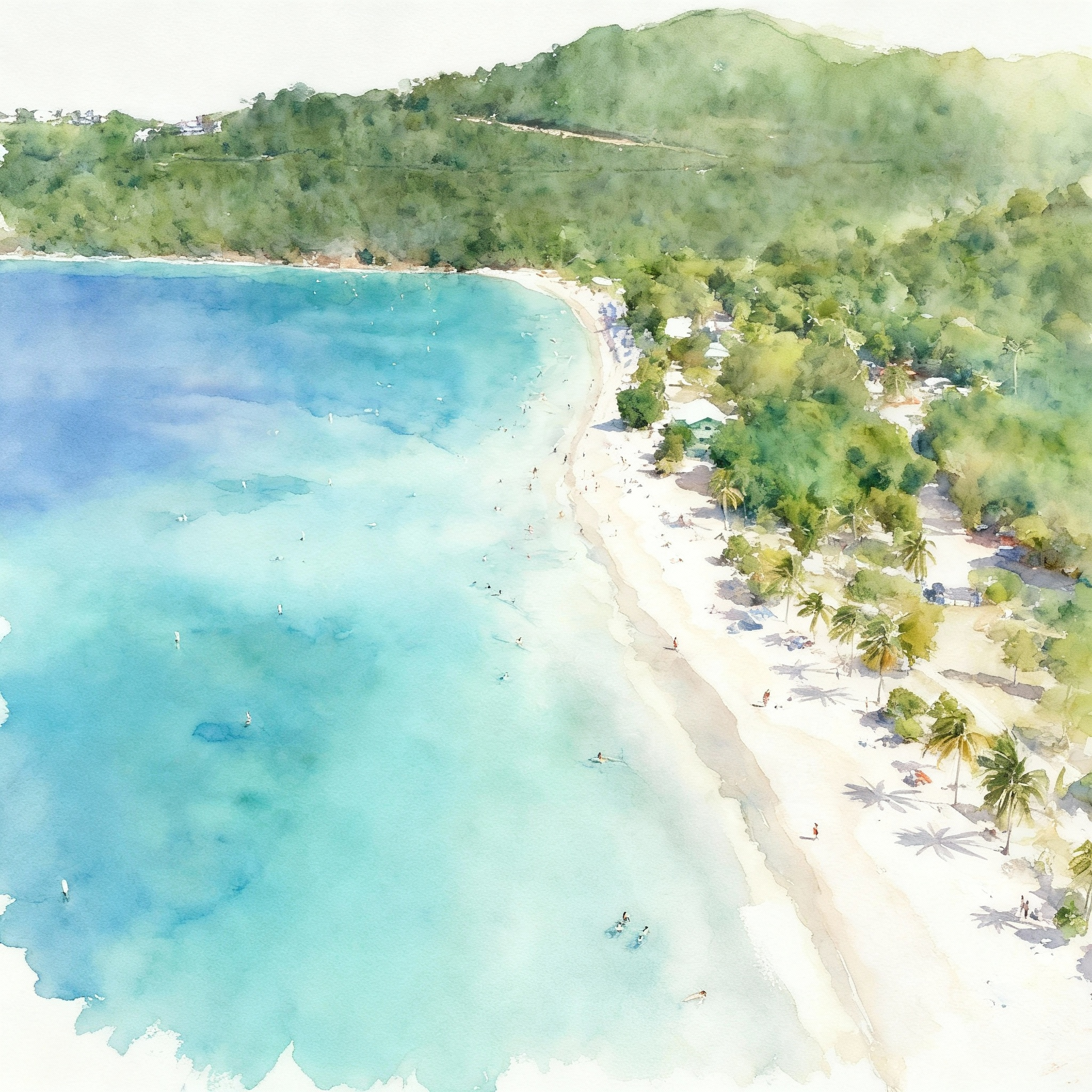
Magens Bay, with its crescent-shaped shoreline and crystal-clear waters, is celebrated today as one of the most beautiful beaches in the world. But its story reaches far deeper than its reputation as a tropical paradise. For thousands of years, this sheltered bay has been a place of sustenance, culture, and refuge—first for the island’s earliest inhabitants and later throughout the colonial era. Its natural resources and untouched beauty have allowed it to remain both historically significant and ecologically rich, preserving a unique connection between past and present.
openart-image_yNwAmZLZ_1758042110703_raw

Around 1,000 B.C.

Long before tourists discovered its beauty

Magens Bay was home to several indigenous people. The Taíno were the last Amerindian communities in the bay, relying on the fauna, flora, fishing, and fresh water from the surrounding guts and ponds. The area’s natural abundance made it a crucial resource for early settlers and played an important role in local culture and survival.

Colonial Times

During the European colonial era, St. Thomas was administered by the Danish until its sale in 1917 to the United States of America. While other parts of the island developed as plantations and trading hubs, Magens Bay remained relatively untouched due to its secluded location. Its pristine beaches and dense tropical forest provided a natural refuge for both humans and wildlife, allowing the bay to maintain its untouched charm.